Is your Top Hot water heater failing in Scottsdale, Tempe, and Fountain Hills, AZ? Learn repair signs, tankless options, costs, and how to choose a contractor in Scottsdale, Tempe, and Fountain Hills.
Scottsdale, Tempe, and Fountain Hills sit in the Sonoran Desert, where summer temperatures climb past 115 degrees and the sun bakes everything in sight. You would think a place this hot would go easy on water heaters. The opposite is true. Arizona’s hard water is among the most mineral-rich in the country, with calcium carbonate levels reaching 250 milligrams per liter in many areas . That mineral content attacks water heaters from the inside, cutting their lifespan by years.
The national average for a tank water heater is 8 to 12 years . In Arizona, that drops to 6 to 10 years for tanks and 15 to 20 for tankless units . Homeowners in Paradise Valley, McCormick Ranch, and the Ahwatukee Foothills replace water heaters more often than homeowners in Seattle or Portland. The reason is not the heat outside. It is the minerals inside.
So why do local homeowners need to know the warning signs? A failing water heater does not send a polite notice. It floods the garage at midnight, runs out of hot water during a shower, or sends rusty water through the tap. Catching problems early means the difference between a $200 repair and a $2,000 emergency replacement.
Tank vs. Tankless: What Works Best in the Desert
Not every water heater suits Arizona’s conditions. The type you choose affects both repair frequency and replacement timing.Trusted Hot water heater failing in Scottsdale, Tempe, and Fountain Hills, AZ
Electric tanks last slightly longer than gas tanks in Arizona because they do not have a burner assembly to clog with scale. But electricity rates in Arizona run higher than the national average, especially in summer when air conditioning already strains the grid.
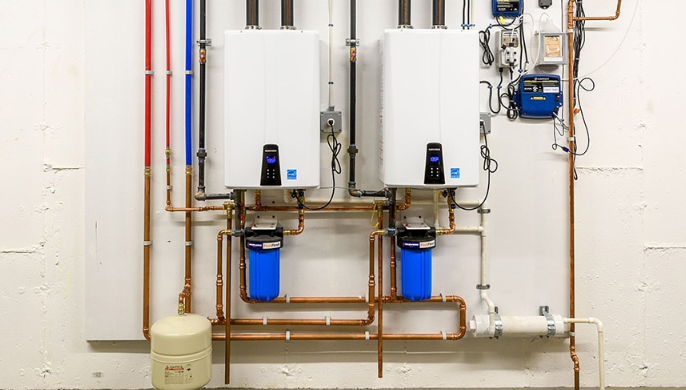
Tankless water heaters heat water on demand, which eliminates the storage tank and the sediment problems that come with it . They last twice as long as tanks and cut energy bills by 20–30%. The catch is the upfront cost. A tankless unit costs $2,500 to $3,500 installed, versus $1,300 to $2,000 for a standard tank . Plus, tankless units need a water softener or conditioner to protect the narrow heat exchanger from scale buildup. Without one, manufacturers may void the warranty .
A licensed contractor in Tempe told us that the decision often comes down to household size and water hardness. “For a family of four in Scottsdale with very hard water, I usually recommend a tankless unit paired with a whole-house conditioner. The upfront cost is higher, but you avoid replacing a tank every six to eight years.”
The Repair Process: What a Technician Actually Does
Here is what happens when you call a professional for hot water heater repair.
First, the technician asks about your symptoms.
Is the water not heating at all, or just not hot enough? Are you hearing popping or rumbling sounds? Is there water pooling around the base? These questions help narrow the problem before they even arrive.
Next, they inspect the unit.
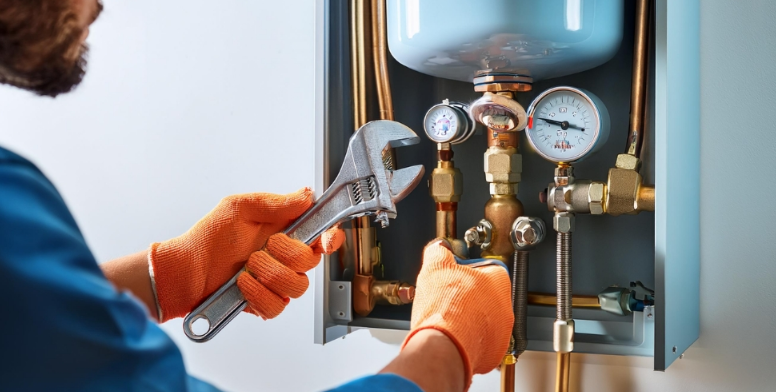
They check the pilot light on gas models, test the heating elements on electric models, and examine the pressure relief valve. They may drain a gallon of water to check for sediment or rust. In Arizona, this step often reveals the real culprit: a thick layer of calcium scale at the bottom of the tank.Best Hot water heater failing in Scottsdale, Tempe, and Fountain Hills, AZ
For common repairs, the process is straightforward.
A faulty thermostat costs $150 to $200 to replace . A burned-out heating element runs $200 to $300 . A pressure relief valve repair costs $100 to $250 . These fixes take one to two hours and restore hot water the same day.
Sediment flushing is the most important maintenance task in this region. The technician drains the tank completely, stirs up the sediment with a long brush, and flushes until the water runs clear. This service costs $75 to $150 and should happen twice a year in Arizona because of the extreme hardness . Skipping this step is the main reason tanks fail early.
Anode rod replacement is another critical service.
The anode rod is a magnesium or aluminum rod that sacrifices itself to prevent the tank from rusting. In hard water, it dissolves in two to three years instead of the normal five . Replacing it costs $150 to $300 and adds years to the tank’s life.
For tankless units, the repair process differs.
Technicians scale the heat exchanger with a vinegar or citric acid solution. They check flow sensors, gas valves, and venting. Because tankless units have more electronic components, repairs can cost $220 to $975 depending on the part .
What Water Heater Repairs Cost in the Phoenix Metro Area
Let’s talk numbers. Repair costs in Scottsdale, Tempe, and Fountain Hills reflect both the local cost of living and the specialized knowledge needed to work with hard water conditions.
Several factors push costs up.
Switching from a tank to a tankless unit often requires upgrading gas lines, electrical circuits, or venting. That can add $500 to $1,500 . Hard water damage that has already corroded the tank lining means replacement is the only option — no repair will fix a rusted tank.Right Hot water heater failing in Scottsdale, Tempe, and Fountain Hills, AZ
The good news? Many Arizona utility providers offer rebates for high-efficiency or ENERGY STAR-rated water heaters . Check with SRP or APS before buying. A $300 rebate can offset the cost difference between a standard and high-efficiency model.
A realistic example: A homeowner in Fountain Hills with a seven-year-old gas tank noticed rumbling sounds and lukewarm water. The technician found three inches of sediment buildup and a completely dissolved anode rod. The tank itself was still structurally sound. A full flush, new anode rod, and thermostat calibration cost $425. The homeowner signed up for biannual maintenance. Two years later, the unit still runs strong.
How to Choose the Right Water Heater Technician in the East Valley
Not every plumber understands how Arizona’s hard water affects water heaters. Here is how to find a technician who does.
Verify licensing first. Arizona requires plumbers to hold a state license for water heater work. Ask for a license number and check it with the Arizona Registrar of Contractors.
Look for a hard water experience.
A technician who handles hot water heater and tankless water heater install/repair in Scottsdale — like Home Tech Appliance Repair — will know how to descale tankless units, recommend the right anode rod material for your water chemistry, and carry the trade-specific insurance that general handymen often skip.
Ask about their maintenance program.
In Arizona, maintenance is not optional. A reputable technician offers biannual flushing and anode rod inspection. If they tell you annual service is enough, get a second opinion. The mineral content here demands more frequent care .
Request a written estimate before any work begins.
The estimate should itemize parts, labor, permits, and disposal fees. Vague lump-sum bids often hide surprises.
Compare repair versus replacement honestly. A good technician tells you when a $400 repair is throwing money at a tank that will fail in six months. The 50% rule is a useful guideline: if repair costs exceed half the price of a new unit, replacement is the smarter investment .
Verify insurance coverage.
Ask for certificates of liability and workers’ compensation directly from the carrier. Water heaters involve gas lines, electrical connections, and pressurized tanks. You want proper coverage.
Frequently Asked Questions
How long does a water heater last in Scottsdale?
Tank water heaters in the Phoenix metro area last 6 to 10 years because of hard water . Tankless units last 15 to 20+ years . Regular maintenance — biannual flushing and anode rod replacement — can add two to three years to a tank’s life.
What are the warning signs that my hot water heater needs to be repaired?
Watch for rumbling or popping sounds, rusty or discolored hot water, water pooling around the base, inconsistent temperatures, and a sulfur or metallic smell. Multiple symptoms usually mean internal corrosion or sediment buildup.
How much does water heater repair cost in Tempe?
Common repairs in Arizona cost $100 to $500 depending on the part . Thermostat replacement runs $150–$200. Heating elements cost $200–$300. Full tank replacement costs $1,300–$2,000 for gas models .
Do I need a permit to replace my water heater in Fountain Hills?
Yes. Cities and counties in Arizona require permits for water heater replacement, especially when changing fuel types or modifying venting . Permit fees run $25 to $300 . Your contractor should handle the application and inspection.
Why does my water heater make popping noises?
Hard water minerals settle at the bottom of the tank and harden into scale. When the burner heats the water, steam pockets form under the scale and burst, creating popping sounds. This means sediment buildup is severe and the unit is overheating .
Should I switch to a tankless water heater in Arizona?
Tankless units last twice as long as tanks and cut energy use by 20–30% . They work well in Arizona but need a water softener to protect the heat exchanger from scale. Without one, manufacturers may void the warranty . The upfront cost is $2,500–$3,500 installed .
How often should I flush my water heater in Scottsdale?
Twice a year. Arizona’s hard water — up to 250 milligrams of calcium carbonate per liter — creates sediment faster than in most states . Annual flushing is not enough here. Biannual maintenance prevents scale buildup and extends the unit’s life.
What is an anode rod and why does it matter?
The anode rod is a magnesium or aluminum rod inside the tank that attracts corrosive minerals and sacrifices itself to protect the tank lining. In Arizona’s hard water, it dissolves in two to three years instead of five . Replacing it costs $150–$300 and prevents premature tank failure .
Can hard water really destroy my water heater?
Yes. Hard water minerals precipitate out when heated and form a thick sediment layer at the bottom of the tank. This layer insulates the burner, forces the unit to overheat, and accelerates corrosion . Water heaters in hard water areas fail up to four years sooner than in soft water regions .
Is it better to repair or replace my old water heater?
If your tank is under eight years old and the repair costs under $400, repair usually makes sense. If the tank is over ten years old, or repair costs exceed 50% of a new unit’s price, replacement is the better investment . Rust-colored water or a leaking tank always means replacement.
Do electric water heaters last longer than gas in Arizona?
Yes, by one to three years. Electric tanks do not have a burner assembly to clog with scale, so they avoid the overheating problem that kills gas tanks early . But electric rates in Arizona are higher, so operating costs may offset the longer lifespan.
What rebates are available for water heater replacement in the Phoenix area?
SRP and APS offer rebates for high-efficiency and ENERGY STAR-rated water heaters . Rebates typically range from $100 to $300. Check with your utility provider before purchasing. Some manufacturers also offer seasonal promotions.
Conclusion
A failing water heater does not fix itself. In Arizona’s hard water environment, small problems turn into expensive failures fast. Catching sediment buildup early, replacing the anode rod on schedule, and knowing when repair turns into replacement saves money and prevents midnight emergencies.Affordable Hot water heater failing in Scottsdale, Tempe, and Fountain Hills, AZ
If you want a local team that knows Scottsdale’s water conditions, Home Tech Appliance Repair offers inspections and can walk you through your options without pressure. Reach out to Home Tech Appliance Repair to discuss hot water heater repair or tankless water heater install/repair for your Scottsdale, Tempe, or Fountain Hills home and get a clear picture of what your system needs.