Got AC trouble Affordable Repair and Maintenance in Glendale or Cave Creek? Find out what same-day fixes involve, how much they cost, because picking a certified pro in Arizona matters. Though timing helps, knowing who’s qualified makes all the difference when heat hits hard.
Out here in the Phoenix region, folks count on steady heating and cooling through every season. Living steps from the field in Glendale? Maybe tucked up near those rocky ridges out in Cave Creek? Either way, keeping things running means calling someone who knows what desert weather does to machines. Heat that pounds down day after day, sudden walls of blowing sand, wild jumps between hot and cold – these shape how units wear out, where breakdowns strike.
Glendale and Cave Creek homeowners face urgent HVAC needs
Out of nowhere, it hits – time to summon help for broken cooling. Warm gusts puff from vents meant to chill. Power fails completely; the unit sits dead. Odd sounds begin, then odder smells follow close behind. Picture one scorching afternoon stretching into night, no relief in sight across Phoenix heat.
Midway through summer, surprises often come from what you didn’t fix earlier. Spotting tiny issues early keeps them from turning into full meltdowns when temperatures climb. When people book checkups each season, it just feels easier to handle long stretches of heat.
HVAC Services for Arizona Homes
Out here, weather beats down hard so know-how matters more than gear. Picking a fit means lining up skills against real conditions you face.
Emergency Repair Services
When things go wrong fast, help shows up without delay. Diagnostic gear comes along every service call, alongside parts often needed on the spot. Cooling fixes happen swiftly because preparation matters. Since the early eighties, Wolfgang’s team has backed local households through breakdowns at any hour. Emergencies get attention day or night, rain or shine.
Scheduled Maintenance and Tune Ups
Most folks overlook dust on coils till things go wrong. Around here a checkup runs between fifty nine and one hundred seventy nine bucks. Catching low coolant early saves headaches later that way. Wires get tested so glitches show up before storms hit. Air moves better when vents stay clear by design. Older units last longer doing this twice a year sometimes. Bills shrink slightly when systems run without strain mostly. Fixes add up fast if skipped for seasons on end often. Top Repair and Maintenance in Glendale or Cave Creek
Replacing and installing new systems
Most times, fixing things stops making sense once prices climb too high or machines wear out completely. Around Arizona, putting in a brand-new air conditioning setup usually takes between five thousand and nine thousand dollars – size matters here, so does how well it runs, plus what extras come included. Spending extra at first on something that uses less power often leads to much smaller electric payments later down the road.
The Hvac Repair Process Step By Step
Start by knowing how a service visit unfolds – it shapes what you can expect. In places like Glendale or Cave Creek, fixing heating and cooling systems usually moves step by step, one stage after another.
First Contact and Send Out
It starts when you explain what’s wrong with your setup. Information flows – how old it is, who made it, exactly how it stopped working. A tech gets lined up, depending on how fast help is needed and who can make it. If things are urgent, outfits such as move quickly, sometimes showing up the same day. Hours might pass before someone arrives, but not many.
Diagnostic Assessment Takes 30 To 60 Minutes
A specialist shows up to look at your setup. After reaching the site, they go through each part that uses electricity, taking measurements along the way. Refrigerant amount gets measured next, followed by a close watch on how air moves through vents. With issues found, the source of trouble becomes clear. Tools designed for today’s systems make detection faster than before. Once everything is checked, they share what went wrong plus possible fixes, including exact costs right away.
Repair authorization and parts acquisition
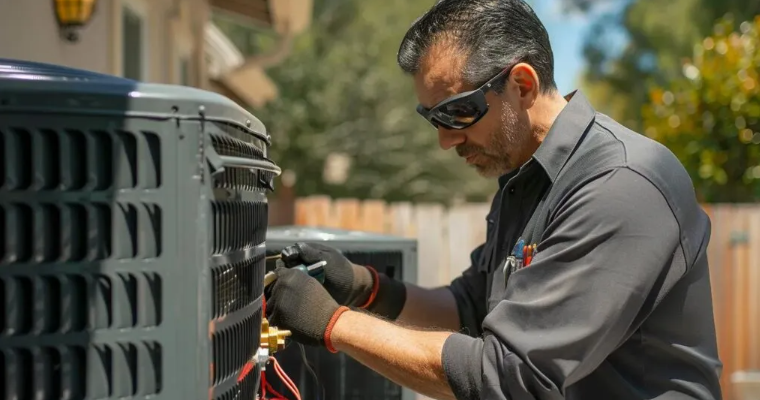
Most breakdowns mean techs already have what they need in their vans. Instead of waiting, capacitors, contactors, or thermostats go in right away. If it’s something rare, shipping adds days to the fix. Work only moves forward once you say it’s okay.
Repair Execution Takes 1 To 3 Hours
A repair gets finished by the technician before checking if everything runs right. Once tested, the machine is confirmed working without issues. Cleanup follows, with tools put away and clutter removed from the site. Spent components go where they should, sorted for disposal. When refrigerants are involved, rules set by the EPA guide each move made. Handling these substances means keeping records just as required. Trusted Repair and Maintenance in Glendale or Cave Creek
Document and follow up
An invoice shows what was fixed and which pieces got replaced. When something goes wrong again, warranty coverage means help could come at no extra cost. After fixing your unit, they might suggest regular checkups to keep it running smoothly.
Out here in Phoenix, one contractor says busted capacitors and contactors bring the bulk of summer service visits. Heat beats down hard on these parts, yet swapping them out usually has systems pumping cool air again before sixty minutes pass.
Heating and Cooling Repairs Cost in Glendale and Cave Creek
Repair bills for heating and cooling systems depend on what’s wrong, how old the unit is, plus when you call a technician. In the Phoenix region, typical fixes fall between $150 and $1,200, says Cold Stinger Heating and Air Conditioning. When it comes to big jobs – say, swapping out a compressor – the price climbs from $2,000 up to $4,500.
Primary Cost Factors:
Type of Repair
Fixing small parts, such as swapping a capacitor – around $150 to $450 – is cheaper compared to big breakdowns. A new thermostat might set you back $150 up to $550. When it comes to condenser fan motors, prices climb between $450 and $1,200. Replacing an evaporator coil? That jumps sharply, landing anywhere from $1,200 all the way to $3,500.
System Age and Condition
When older units act up, they tend to break down in several ways at once. Finding pieces for outdated versions can take time, which drives prices higher. Multiply how much fixes cost by how old the machine is – that’s the idea behind the 5,000 Rule. Replacement becomes the better path when that number goes above five grand.
Refrigerant Type
Most units running on R-22 demand higher refill fees since production of that coolant has dropped sharply. Newer setups with R-410A rely on chemicals that are easier to find, which helps lower costs. When your machine runs on R-22, bring up replacement ideas during your next service visit.
Selecting an HVAC Technician in Glendale and Cave Creek
A wrong pick might mean your fix doesn’t stick. In Arizona, rules exist – meant to keep people safe when repairs are done.
Arizona Licensing Requirements
Licensing kicks off any HVAC job in Arizona worth more than a thousand dollars. The state hands out three types – C-39 opens doors for commercial gigs, while R-39 covers homes, and CR-39 blends both. Time on the tools matters; four full years count toward eligibility. Trade know-how gets tested through an exam, just like rules around running a company. A safety net called a surety bond seals the deal. Right Repair and Maintenance in Glendale or Cave Creek
What to ask when hiring a technician
Years spent working across Glendale and Cave Creek add up. Knowing the place means knowing what wears out first – heat, dust, age show their marks differently here. Spotting trouble before it grows comes easier when you’ve seen how things bend under sun-baked skies.
What about price clarity? Trusted firms lock in a set cost ahead of any job. Skip anyone unwilling to name exact charges.
Repairs come with coverage for components, alongside protection for the work itself. Knowing what the agreement covers matters prior to approving any fixes. Before giving the go-ahead, get clear on conditions tied to support after the job.
Frequently Asked Questions
HVAC Repair Costs in Glendale and Cave Creek?
Repairs usually cost between 150 and twelve hundred dollars. Fixing parts such as capacitors or thermostats often lands in the 150 to 550 range. When it comes to bigger jobs – say, swapping out a compressor – the price might climb to two grand up to four thousand five hundred. If help is needed fast, expect an extra charge somewhere from one hundred to three fifty on top of regular fees.
Arizona hvac technician licensing requirements?
One wrong move without proper licensing could cost a job. Anyone doing work worth more than a thousand bucks in Arizona needs an ROC permit – type R-39, C-39, or CR-39 will do. Handling coolant? That means getting an EPA Section 608 stamp if you’re on the crew. Check every credential online before lifting a tool – the site roc dot az dot gov has what you need.
Same Day HVAC Service Speed?
Some businesses in Glendale or Cave Creek handle urgent jobs the same day, usually arriving between two and four hours if it’s daytime. Around-the-clock help exists, but late-night requests tend to cost more when made outside normal operating times.
How Often to Schedule HVAC Maintenance?
Twice each year, bring in a pro to check things over – one time when warmer weather hits, another as cold months roll near. When the system runs nonstop, swap out the filter every thirty days. Most surprise failures never happen if these few actions become routine.
AC Failures in Arizona Heat Causes?
Heat pushes parts too hard, yet cooling systems feel it most. Coils outside fill up when dust flies through air. Summer keeps machines running, so they age faster. Care at proper times handles what weather brings along.
Lower HVAC Energy Bills?
A clever thermostat can help cut heating bills fast. Leaky air channels lose warmth – seal them tight. Insulation slows heat movement through walls. Trees or awnings shelter the outside machine from the sun. Modern heaters run smarter than old ones did, using less power. Savings might hit one fifth of what you once paid.
What should I do if my AC stops working completely?
Start by looking at the thermostat, then move to the breaker panel. When those seem fine, peek inside at the air filter. Trouble still? Get a technician on the phone. Messing with wiring or coolant lines isn’t worth the risk.
Is spending money on service contracts really a good idea?
Most people who own homes find it worth the price. Yearly checkups happen twice, getting a spot on the schedule is faster, repairs cost less when needed. Fixing small things early helps avoid bigger bills later. One visit often covers the fee before the year ends.
Conclusion
When temperatures swing hard, having a working heater or AC matters. A broken unit can disrupt life fast – especially when summer heat slams into winter chill. Skilled technicians handle fixes that last, not just quick patches. Routine checkups catch issues before they grow. Replacing an old system? Experience makes the difference in proper setup. Trusting experts means fewer surprises down the road. Performance stays steady year after year. Home comfort leans on smart choices made early. Best Repair and Maintenance in Glendale or Cave Creek
Before things warm up, take a close look at how your system is running right now. Get upkeep booked ahead of hot weather kicking in. Look into nearby providers – check if they’re licensed, plus what past customers have said. When trouble hits after hours, make sure you’ve got names ready for those who actually answer any time.